The Folly Tower & Demesne Grounds
Discover the historic structures and expansive grounds that define Birr Castle's landscape heritage
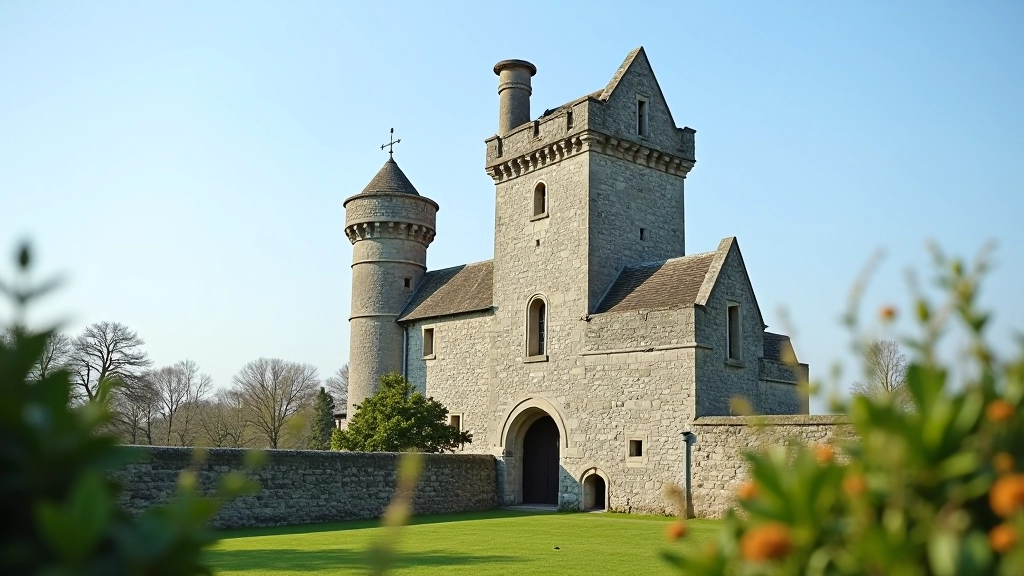
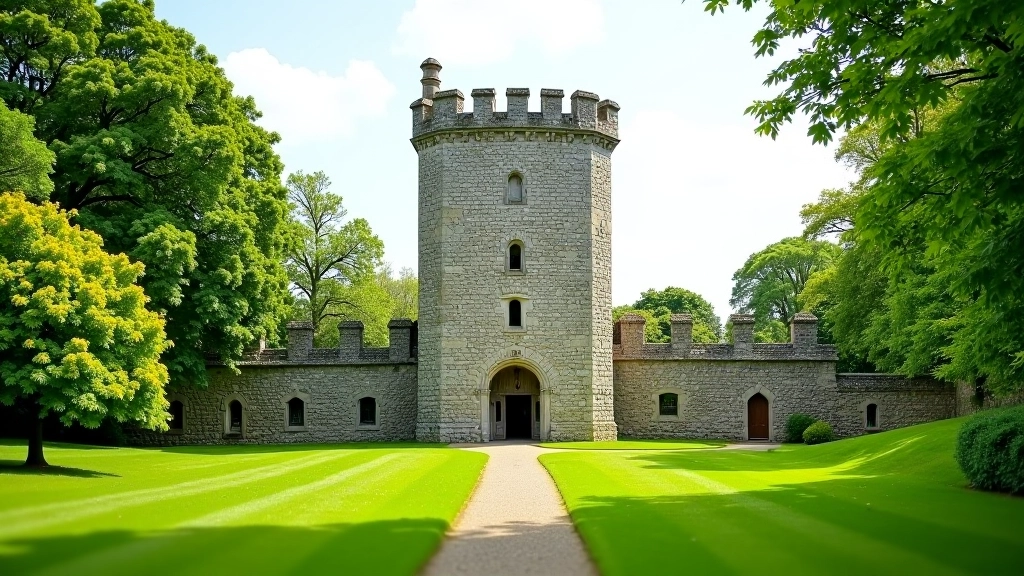
The Folly Tower stands as one of Ireland's most distinctive architectural landmarks, rising majestically across the 147-acre demesne grounds at Birr Castle. Built in 1747, this three-storey tower wasn't designed for practical defense — it's a "folly," an ornamental structure built purely for aesthetic pleasure. Yet it tells a fascinating story about 18th-century design philosophy and the ambitions of the estate owners.
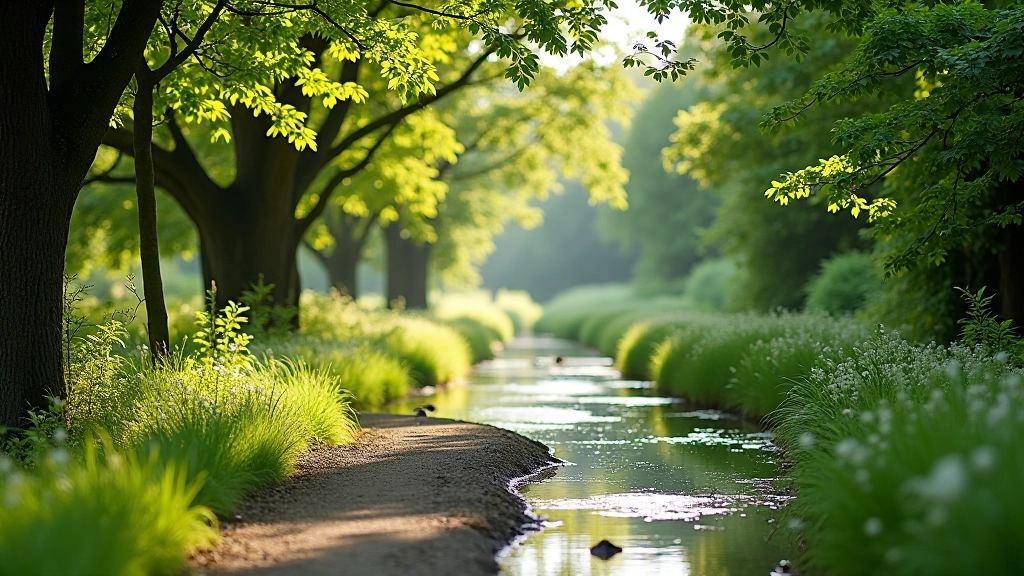
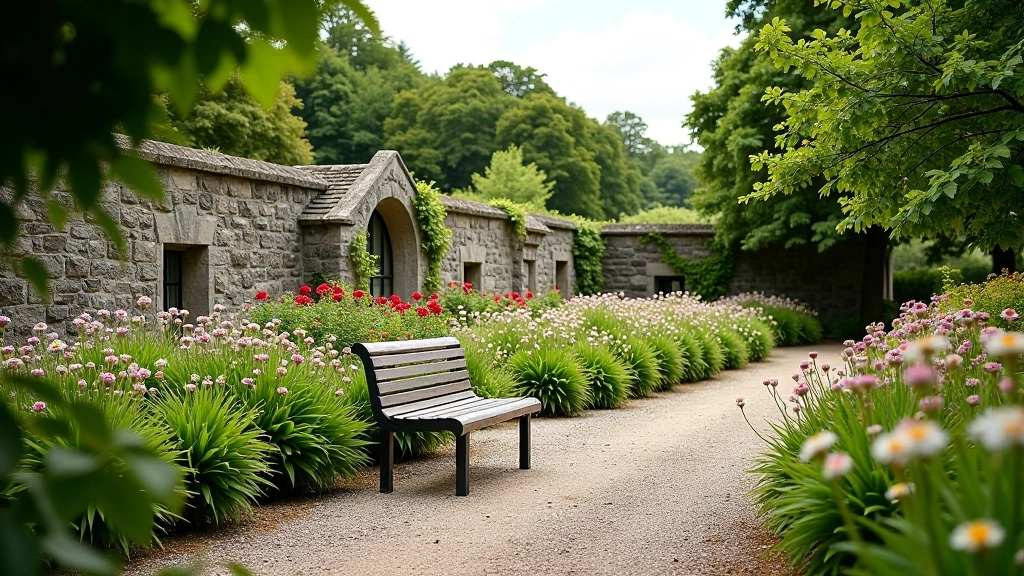
Walking through these grounds, you'll experience layers of history. The demesne encompasses woodland paths, open parkland, and carefully maintained gardens that showcase Victorian horticultural principles. It's a place where you can spend an afternoon exploring or simply sitting quietly beneath ancient trees.
147 acres
Of meticulously maintained grounds to explore at your own pace
1747
Year the Folly Tower was constructed as an ornamental feature
3 storeys
Rising dramatically from the landscape with panoramic viewing potential
A Tower Built for Beauty, Not Defense
The 18th century saw European estates embracing ornamental follies — structures that served no practical purpose beyond visual drama. Birr's tower was no exception. Unlike medieval fortifications, this tower was designed as a landscape feature, commanding views across the demesne and providing a focal point visible from multiple locations on the estate.
The tower's construction reflects the wealth and taste of the Parsons family, who've owned Birr Castle since the 1620s. They understood that landscape design was a form of artistic expression. The tower doesn't hide — it announces itself proudly against the sky, inviting visitors to climb its stairs and experience the vistas it reveals.
What's striking is how the tower integrates with the surrounding grounds. It's not an isolated curiosity but rather a key element in a carefully choreographed landscape. The grounds around it were shaped to frame the tower, with woodland paths leading to clearings where you can pause and appreciate the structure from different angles.
The Demesne: Landscape Design as Art
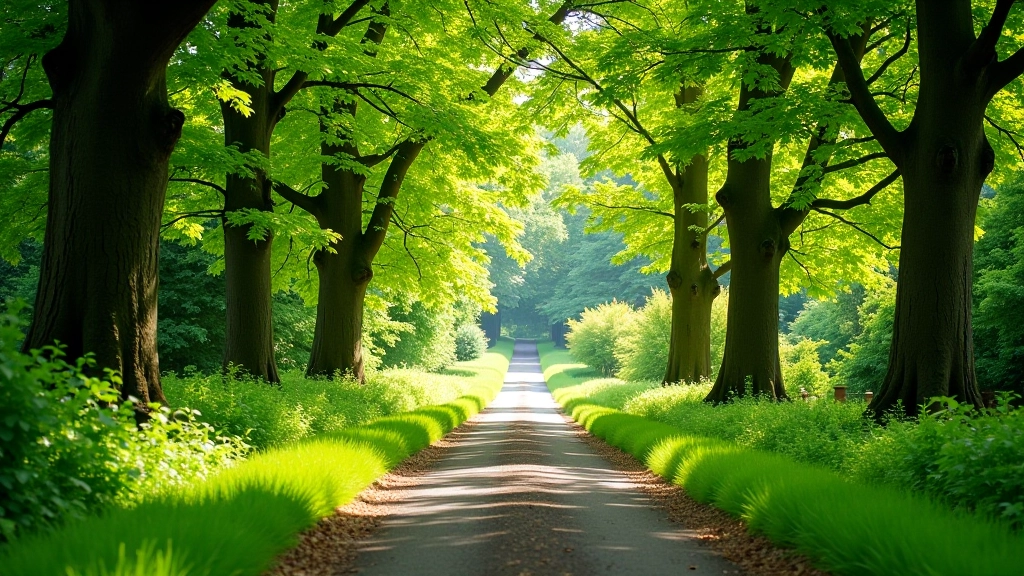
The 147-acre demesne isn't just space — it's intentionally designed landscape. Every path, clearing, and planted area serves a purpose in the overall composition. You'll find woodland sections offering shade and quieter walking routes, open parkland perfect for sitting and observing, and carefully maintained areas that showcase different plants and trees.
Walking these grounds reveals the Victorian influence on estate management. The Victorians took landscape design seriously. They understood principles of visual composition — framing views, creating focal points, controlling what visitors see and when they see it. The tower acts as the primary focal point, but the grounds contain secondary features: bridges, water features, and clearing areas that make the experience engaging.
The demesne is particularly accessible for visitors seeking gentle walks. The main paths are well-maintained and relatively flat, making them suitable for various ability levels. Many visitors spend two to three hours here, moving at their own pace, pausing where they wish.
What You'll Experience on Your Visit
Panoramic Views
The tower's upper levels offer vistas across the Offaly countryside. On clear days, you can see for miles. The climb involves 56 stone steps — manageable but requires moderate fitness.
Woodland Experience
The demesne contains ancient woodlands with native species. Spring brings bluebells and woodland flowers. Autumn transforms the canopy into warm colors. It's genuinely peaceful here.
Photography Opportunities
The tower photographs beautifully from multiple angles. The demesne provides natural backdrops for landscape photography. Early morning light is particularly stunning.
Rest Areas
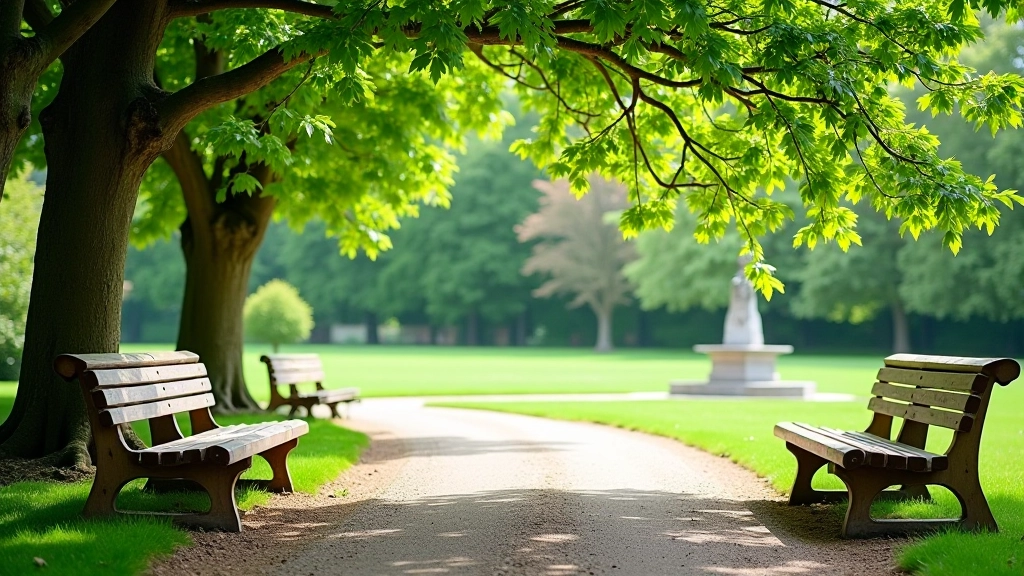
Benches and seating areas are distributed throughout the grounds. You can sit and observe the landscape without rushing. Picnicking is possible in designated areas.
Clear Pathways
Main paths are clearly marked and well-maintained. Maps are available at the castle entrance. Walking times range from 30 minutes for short routes to two hours for complete circuits.
Historical Context
Interpretive signage explains the landscape's history and design. You'll understand the 'why' behind what you're seeing — the thought that went into these grounds centuries ago.
Planning Your Visit
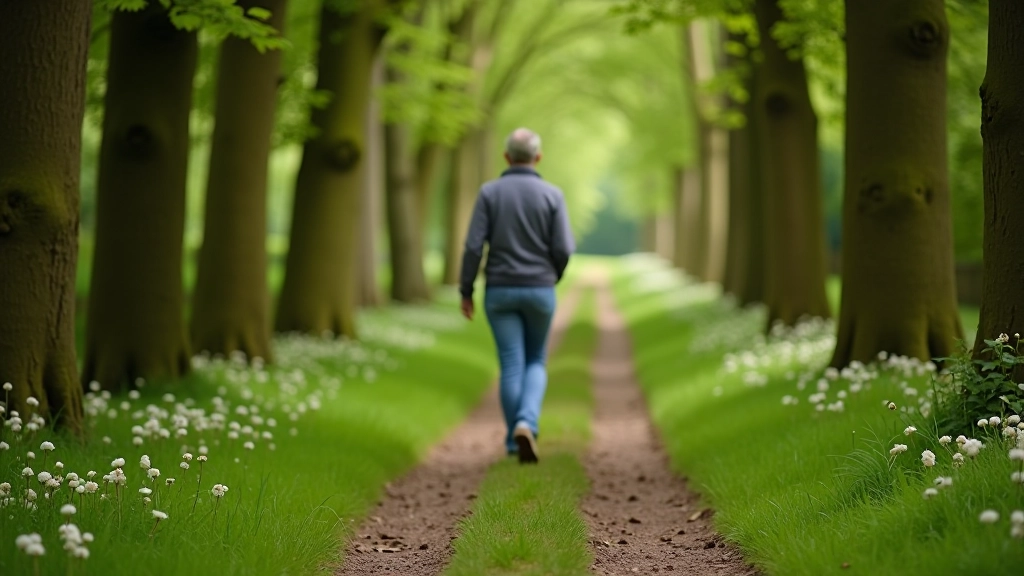
You don't need special equipment or experience to enjoy the demesne and tower. Wear comfortable walking shoes with good grip — some paths can be muddy after rain. The grounds are open year-round, though spring through autumn offers the most pleasant walking conditions.
Visiting on a weekday means you'll encounter fewer crowds. This allows for a more contemplative experience. Early morning visits often provide the best light and quietest atmosphere. If you're photographing, arrive by 9 or 10 AM to capture morning light hitting the tower.
Allow at least two hours for a proper visit. You'll want time to walk some paths, possibly climb the tower if you're able, and sit quietly somewhere to absorb the atmosphere. Rushing defeats the purpose — this is a place designed for lingering.
Important Information
This article provides educational information about the Folly Tower and demesne grounds. Opening hours, accessibility features, and facilities can change. Please check the official Birr Castle website or contact the estate directly before your visit to confirm current conditions, any maintenance work, tower access status, and to verify that all described facilities remain available. Visitors should assess their own physical capabilities before climbing the tower steps.

Explore More Estate Attractions